
The Role of Diet in Oral Health for Children: What to Include and What to Avoid
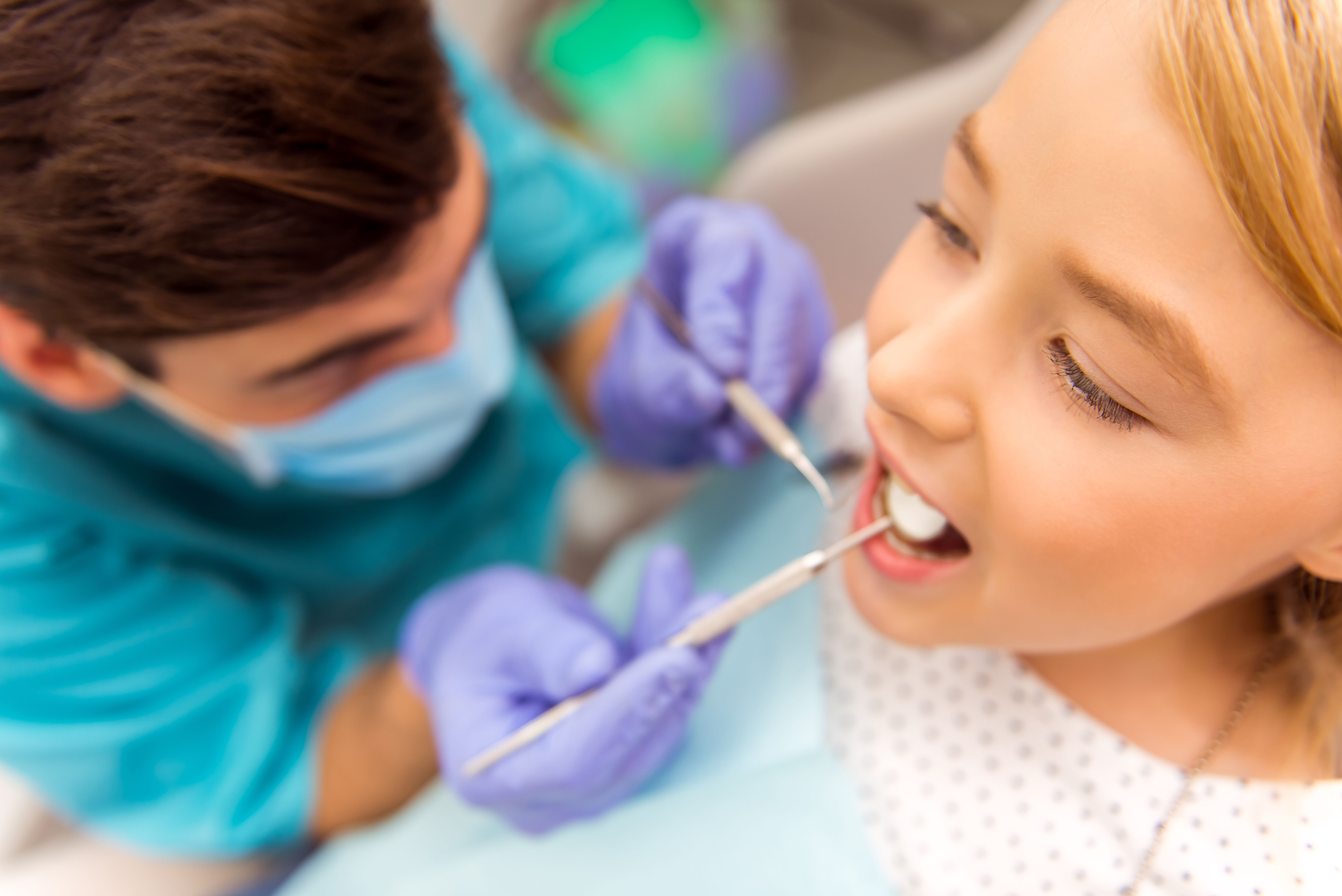
As a parent, you may not always realize how important your child’s diet is when it comes to their oral health. Dr. Swati Singh, at Smiling Kids Pediatric Dentistry in Indianapolis, emphasizes that a balanced and nutritious diet plays a crucial role in preventing dental issues like cavities, gum disease, and other oral health problems. In fact, the foods children eat not only provide essential nutrients for overall health but also influence the condition of their teeth and gums. Let’s dive deeper into the foods that are good for your child’s teeth, and those that can contribute to dental problems.
What to Include in Your Child’s Diet for Strong Teeth
A healthy diet for children should include foods that are rich in vitamins and minerals that help in maintaining strong teeth and gums. Key nutrients like calcium, phosphorus, and vitamin D are particularly important for dental health. Incorporating these foods into your child’s daily meals can significantly reduce their risk of developing tooth decay and gum problems.
Calcium-Rich Foods for Strong Teeth
Calcium is a vital mineral that helps in the development and maintenance of strong teeth and bones. Dairy products like milk, cheese, and yogurt are excellent sources of calcium. If your child is lactose intolerant or follows a dairy-free diet, you can also find calcium in plant-based foods like broccoli, almonds, and fortified plant milks.
Foods Rich in Vitamin D and Phosphorus
Vitamin D helps the body absorb calcium, making it essential for dental health. Fatty fish like salmon, tuna, and mackerel are rich in vitamin D. Also, mushrooms and fortified cereals can provide this important vitamin. Phosphorus, which is found in foods like eggs, chicken, and whole grains, also plays a role in keeping teeth strong and healthy by working with calcium to fortify tooth enamel.
Crunchy Fruits and Vegetables
Fruits and vegetables that are high in fiber, such as apples, carrots, and celery, can naturally clean teeth as they are chewed. These crunchy foods help stimulate saliva production, which is important because saliva neutralizes acids in the mouth, helping to protect teeth from decay.
What to Avoid: Foods that Can Harm Your Child’s Teeth
While certain foods are beneficial for oral health, others can be harmful. For instance, sugary foods and drinks are one of the main contributors to tooth decay in children. When bacteria in the mouth break down sugar, they produce acids that attack tooth enamel. Over time, this can lead to cavities.
Sugary Snacks and Sodas
Snacks like candies, cookies, and sodas contain high levels of sugar, which feed harmful bacteria in the mouth. These bacteria produce acids that erode enamel and lead to cavities. It’s best to limit sugary treats to special occasions and ensure your child brushes their teeth afterward. Sodas, even sugar-free ones, can also be damaging due to their acidity, which can erode tooth enamel over time. If your child experiences dental emergencies due to sugary foods or drinks, it’s a good idea to visit your pediatric dentist for immediate care. Pediatric Dental Emergencies.
Sticky and Sour Foods
Sticky foods like caramel and taffy can cling to the teeth, prolonging the exposure to sugar and acid. Similarly, sour candies, which are often coated with citric acid, can weaken enamel and cause sensitivity in your child’s teeth. These should be eaten sparingly, if at all.
Acidic Drinks and Foods
Citrus fruits like oranges and grapefruits are healthy, but when consumed in excess, the acidity can wear down tooth enamel. While not a cause for concern when eaten in moderation, it’s important for kids to drink plenty of water after consuming highly acidic foods or drinks, to help wash away acids. Drinking water also supports healthy oral hydration, which is vital in preventing dry mouth and promoting saliva production.
The Role of Hydration in Oral Health
Proper hydration is also a key component in maintaining good oral health for children. Water is essential for keeping the mouth moist and promoting saliva production. Saliva helps neutralize acids and wash away food particles, reducing the chances of tooth decay. Encouraging your child to drink plenty of water throughout the day, especially after meals, can help keep their mouth clean and hydrated.
Teaching Healthy Habits for Lifelong Oral Health
Incorporating a well-balanced diet rich in essential nutrients is vital for your child’s oral health. By offering a variety of healthy foods and minimizing the intake of sugary, acidic, and sticky snacks, you’re setting your child up for a lifetime of strong teeth and healthy gums. Dr. Swati Singh and the team at Smiling Kids Pediatric Dentistry in Indianapolis are committed to helping parents and children understand the vital connection between diet and oral health. By making healthy food choices and good oral hygiene habits a priority, you’re ensuring your child’s smile stays bright and strong for years to come.
For additional guidance, regular check-ups, and professional dental cleaning, be sure to visit your child’s Pediatric Dentistry. Consistent preventive care can keep your child’s teeth in top condition for years. If you ever need a Dental Cleaning & Consultation, don’t hesitate to reach out to schedule an appointment.
Resources:
- American Dental Association. (2020). Nutrition and Oral Health. ADA.
- National Institute of Dental and Craniofacial Research. (2018). Tips for Healthy Teeth and Gums. NIDCR.
- Evans, C., & Anderton, L. (2019). Pediatric Dentistry: Prevention and Care. Journal of Pediatric Dentistry.